
Light, Home, and the Rhythm of Your Day

Step inside a smarter, kinder way to illuminate living spaces as we explore architectural lighting and circadian controls integrated into the home. We translate science into daily rituals, pairing daylight, tunable sources, and adaptive schedules so mornings energize, afternoons focus, and evenings gently unwind. You will find room-by-room ideas, standards to trust, and stories from real households that discovered calmer sleep and clearer moods after small adjustments. Join us, share your questions, and shape your own luminous routine.

Light That Lives With You

Daylight as the Anchor

Start with the free, powerful light already arriving through your windows. Daylight sets circadian timing, reveals true colors, and defines architectural texture. Use reflective surfaces, pale ceilings, and adjustable shading to pull the sky deeper indoors without glare. When clouds or seasons shift, supplement with tunable fixtures that maintain a similar spectral feel. Tell us where sunshine lands in your home, and we will shape supportive layers around that daily arc.

Understanding the Body’s Clock

Start with the free, powerful light already arriving through your windows. Daylight sets circadian timing, reveals true colors, and defines architectural texture. Use reflective surfaces, pale ceilings, and adjustable shading to pull the sky deeper indoors without glare. When clouds or seasons shift, supplement with tunable fixtures that maintain a similar spectral feel. Tell us where sunshine lands in your home, and we will shape supportive layers around that daily arc.

Layers that Shape Atmosphere

Start with the free, powerful light already arriving through your windows. Daylight sets circadian timing, reveals true colors, and defines architectural texture. Use reflective surfaces, pale ceilings, and adjustable shading to pull the sky deeper indoors without glare. When clouds or seasons shift, supplement with tunable fixtures that maintain a similar spectral feel. Tell us where sunshine lands in your home, and we will shape supportive layers around that daily arc.

Room-by-Room Strategies

Each room deserves a distinct mood that still harmonizes with your daily rhythm. Treat the bedroom as a sanctuary that winds down gracefully, the kitchen as a bright engine for action, and living spaces as adaptable stages for work, play, and conversation. Bathrooms quietly rehearse sunrise, while entryways orient and welcome. We’ll offer simple wins, like adjusting beam angles or adding a control scene, so improvements happen without overwhelming renovations.

Bedroom Sanctuary

Prioritize warm, low-glare evening light with gentle uplight and bedside layers that invite reading without jolting alertness. Hide sources, minimize blue-rich output at night, and reserve brighter, cooler cues for a timed morning rise. Consider blackout strategies that still allow a dawn simulation through cove or shade glow. Calming routines matter more than wattage. Share how you unwind, and we’ll map a path from phone-bright nights to restful, restorative transitions.

Kitchen Energy and Focus

Kitchens thrive on clarity and hygiene, so use high color rendering, ample task light on counters, and shadow-free vertical illumination for eyes and food. Morning scenes can lift contrast and cool slightly to encourage alertness, while dinner scenes soften edges and warmth. Under-cabinet bars with good diffusion pair beautifully with ceiling coves that lighten volume. Tell us your cooking patterns, and we will refine zones, switches, and schedules that keep momentum without harshness.

Orchestration and Control

Controls turn static fixtures into a living system that listens to your schedule and intentions. Time-based scenes, sensor cues, and manual overrides should operate with quiet reliability, never stealing attention. Seek interoperable platforms that play well with open standards to protect your investment. Start simple, then expand. A few smart schedules often outperform complex dashboards no one touches. Ask for recommended defaults, and consider a seasonal tune-up to keep habits aligned with changing daylight.

Choosing Fixtures and Sources

For routine living, tunable white provides graceful shifts from cool, alert mornings to warm, restful evenings. Reserve saturated color for art, parties, or seasonal punctuation. Avoid rainbow overload that confuses mood. Ensure tight color consistency across fixtures and stable performance at low dim levels. Tell us where you want calm versus celebration, and we’ll right-size color capability so your home feels elegant daily while still surprising guests when occasion calls.
Comfort depends on more than color and lumens. Quality drivers produce stable light, maintain color at low outputs, and avoid stroboscopic effects that tire eyes. Ask for measured flicker data, not assumptions. Prefer logarithmic or square-law dim curves that feel natural across scenes. Silent hardware matters in quiet rooms. If you’ve noticed buzzing, banding on cameras, or harsh step changes, share details, and we will specify drivers that restore smooth, confident control.
Direct light can dazzle if optics are careless. Choose recessed trims with shielding, lenses that smooth edges, and wall-wash distributions that favor vertical surfaces and faces. Employ baffles, honeycombs, and reflectors where needed, but avoid over-dimming to hide poor design. Consider Unified Glare Rating guidelines while trusting your eyes. Send a snapshot of a troublesome hotspot or shiny countertop, and we will propose beam angles and placements that soften glare without sacrificing clarity.

Wellbeing in Everyday Moments

Lighting changes how mornings feel, how children settle, and how elders navigate safely at night. We have seen families regain restful evenings after introducing warm, dim routines and dawn simulations that wake gently. Productivity can rise with better vertical illumination near desks, while mood lifts when color rendering reveals natural tones. Add subtle pathway guides instead of blasting brightness. Share your household stories and goals, and we’ll tailor solutions that care for bodies, minds, and relationships.

Morning Energy, Evening Ease

Give yourself a kinder start with lights that brighten gradually and tilt cooler to align cognition. As day fades, let warmth and dimness cue relaxation, nudging screens aside. Build rituals around these shifts: coffee near bright vertical light, music under cozy accents at dusk. If evenings feel wired or mornings groggy, tell us. We will tune timing and intensity until your routine feels clear, gentle, and repeatable without constant tinkering.
Support for Kids and Elders

Children benefit from predictable rhythms, especially around homework and bedtime. Provide bright, glare-free focus zones earlier, then soften to protect sleep. Elders need higher contrast, stable color rendering, and safe nighttime paths with very low, warm levels. Motion cues can help without startling. Share nap schedules, reading habits, or mobility concerns, and we will calibrate scenes that respect age-specific needs, strengthening independence and comfort while keeping the entire household in sync.
Safety, Orientation, and Calm

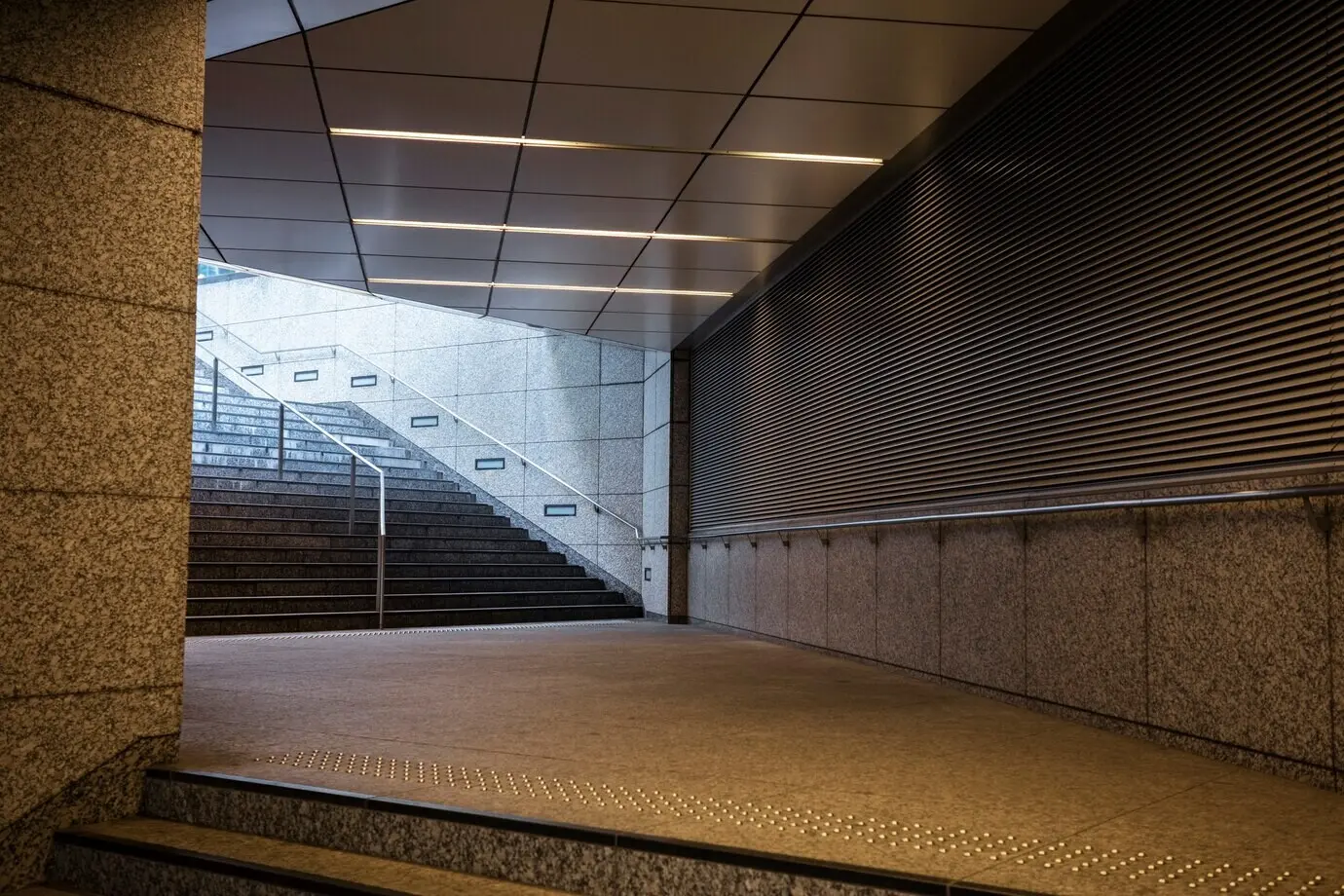
After dark, small, thoughtful cues prevent missteps: toe-kick lights in kitchens, low-level hallway guides, and stair markers with shielded optics. Outdoors, favor layered, non-glaring light that marks edges and faces rather than blasting yards. Indoors, maintain color continuity so rooms feel connected. If you’ve experienced nighttime overstimulation, we’ll dial levels down and simplify paths. Share a floor plan sketch, and we’ll propose reliable wayfinding that protects sleep while preserving confidence and calm.
From Plan to Everyday Practice

A successful project begins with a clear audit, moves through concept and mockups, and finishes with careful commissioning and seasonal tune-ups. Start small if needed: one room, three scenes, one new habit. Label controls, document defaults, and keep a quick guide near the kitchen. Set calendar reminders to adjust for daylight changes. Share your priorities and budget, and we will propose phased steps that deliver real benefits early while leaving room to grow.

Audit and Concept Mapping

Walk each room at morning, midday, and evening. Note glare, tasks, and places where you pause. Sketch layers for ambient, task, and accent; assign spectra and intensities that shift through time. Identify baseline daylight and gaps. Share photos or a quick video tour, and we’ll return a concept map with proposed fixtures, beam angles, and schedules. The goal is clarity: fewer choices during the day, better results with almost no effort.

Installation and Commissioning Checklist

Label circuits, document drivers, and verify dimming compatibility before closing ceilings. Test scenes at intended hours, observing reflections and faces, not just surfaces. Confirm smooth fades, color stability, and sensor handoffs. Save controller backups and write plain-language labels on wall stations. If something feels off, note when and how, then adjust. Share punch-list findings, and we will fine-tune programming until the space feels intuitive, welcoming, and consistent across everyday circumstances.

Phasing, Budget, and Upgrades

You can achieve a meaningful transformation without replacing everything at once. Start with rooms where routines matter most, then expand. Invest first in quality drivers, optics, and control reliability; add decorative layers later. Allocate a small reserve for commissioning revisions, which often yield the biggest comfort gains. Tell us your budget range and timeframe, and we’ll design a phase plan that delivers immediate wins while setting a solid foundation for graceful growth.
Xohinomexivipekita
Privacy Overview

This website uses cookies so that we can provide you with the best user experience possible. Cookie information is stored in your browser and performs functions such as recognising you when you return to our website and helping our team to understand which sections of the website you find most interesting and useful.